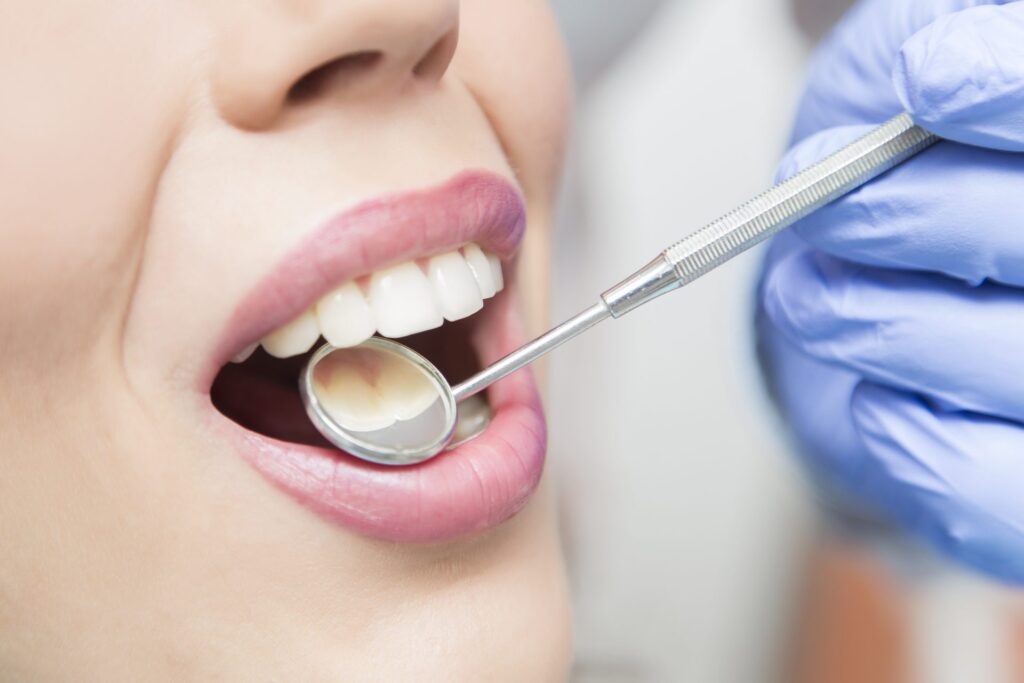
E.max Crowns
Lithium disilicate — the material chosen when a single restoration has to disappear among natural teeth.
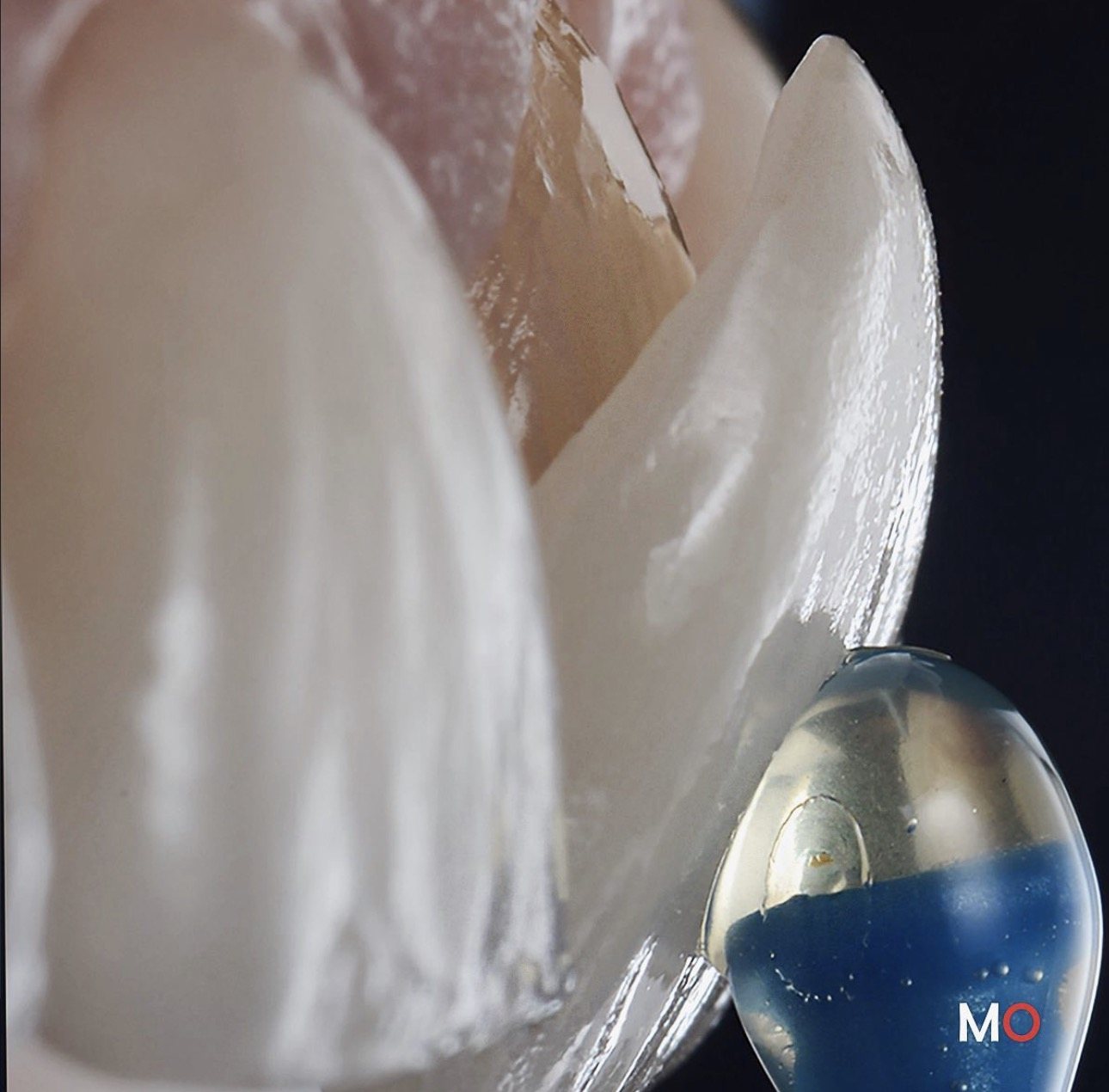
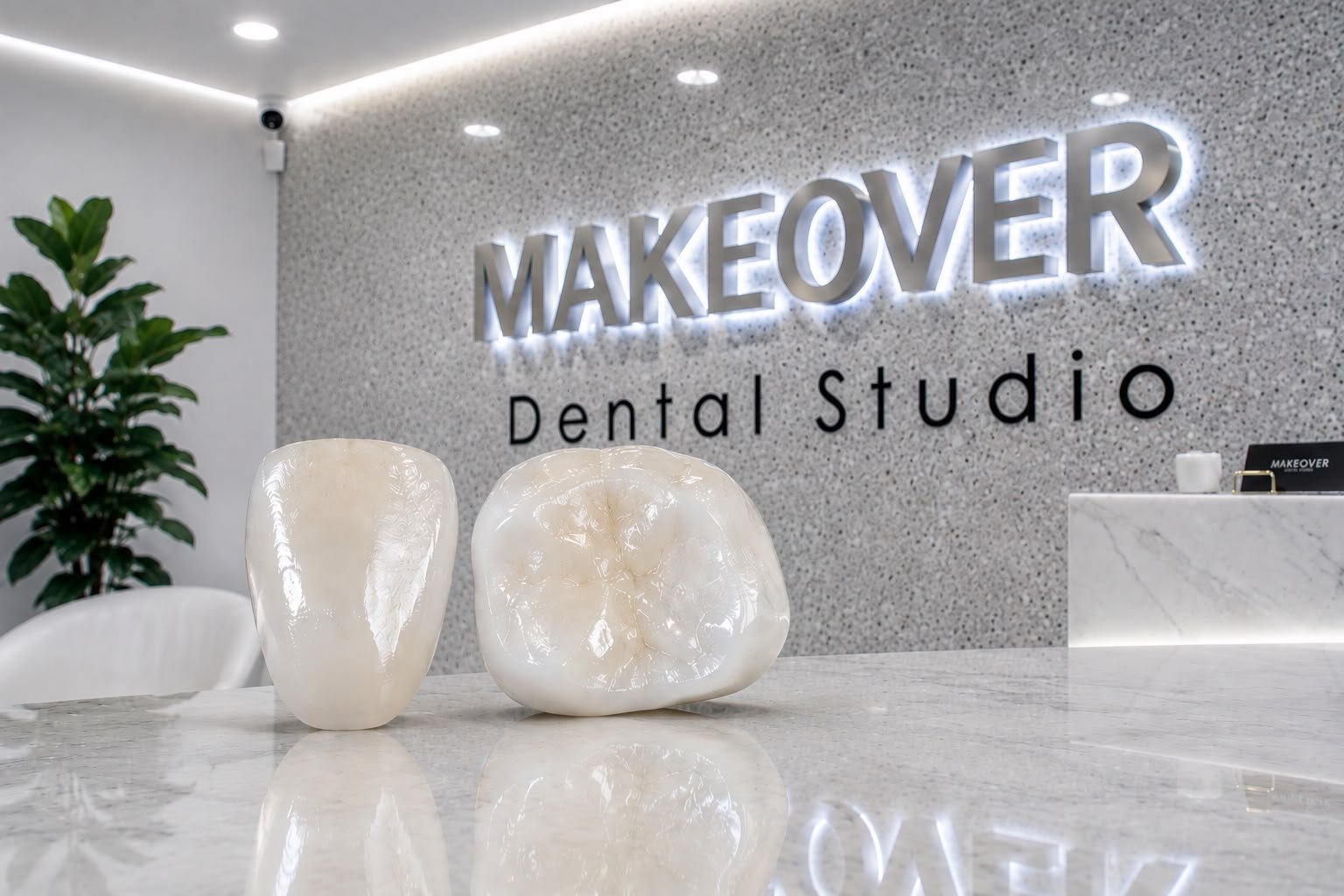
E.max is the trade name for a lithium disilicate ceramic, and it earned its reputation on one property: it handles light the way enamel does. A crown made from it picks up color from the tooth structure beneath and from its neighbours, which is what allows a single unit to sit next to natural teeth without announcing itself.
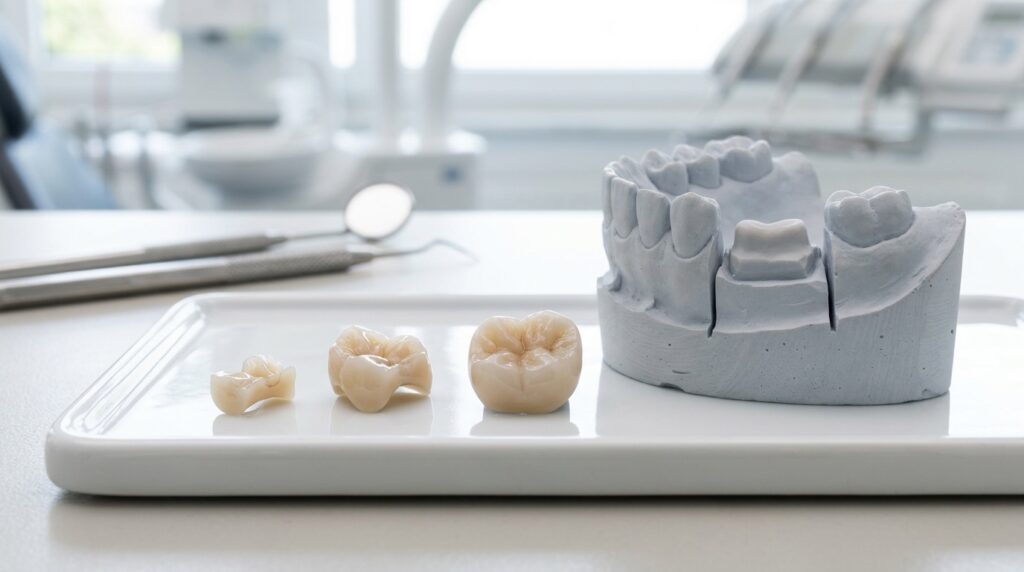
That is a narrower claim than it sounds, and a useful one. Zirconia is stronger and is the better choice under heavy posterior load or where a long bridge is involved. Lithium disilicate is chosen where appearance is doing most of the work, and it is bonded rather than cemented, which lets it be made thinner and take less of the tooth away.
A practice that offers one material for everything is choosing for its laboratory rather than for your tooth. The position in the arch, the bite force it will absorb, how much structure is left and how visible it is are what decide the material, and that reasoning should be available to you before the tooth is prepared.
Who chooses the material
A proud graduate of the Universidad Autónoma de Baja California (2014), Dra. Karla P. Ramírez Nuñez has been an essential cornerstone of the Makeover team for over 12 years. She specializes in advanced cosmetic treatments, full-mouth reconstructions, and managing highly complex aesthetic cases, blending precision with artistry to restore both function and beauty. Cédula profesional 10404814.
The material is chosen for the position in the mouth, not from a menu. Emax behaves differently at the front of the mouth than it does under a molar’s load, and that is a clinical call rather than a preference.
Why the material is chosen
Position and load, first
A front tooth and a second molar are different mechanical problems. The material follows the job rather than the price list.
Shade recorded properly
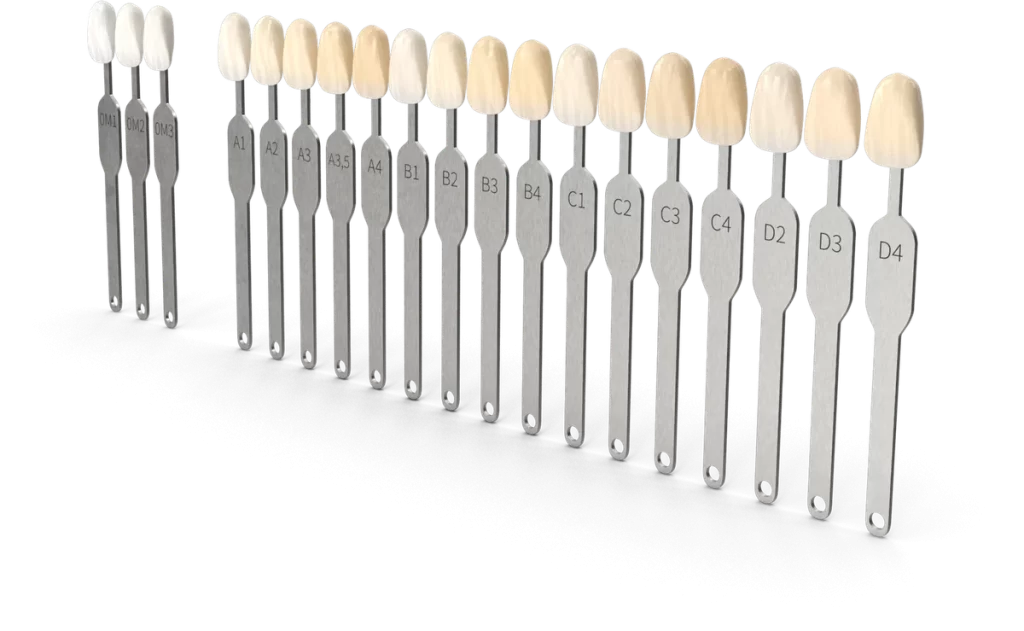
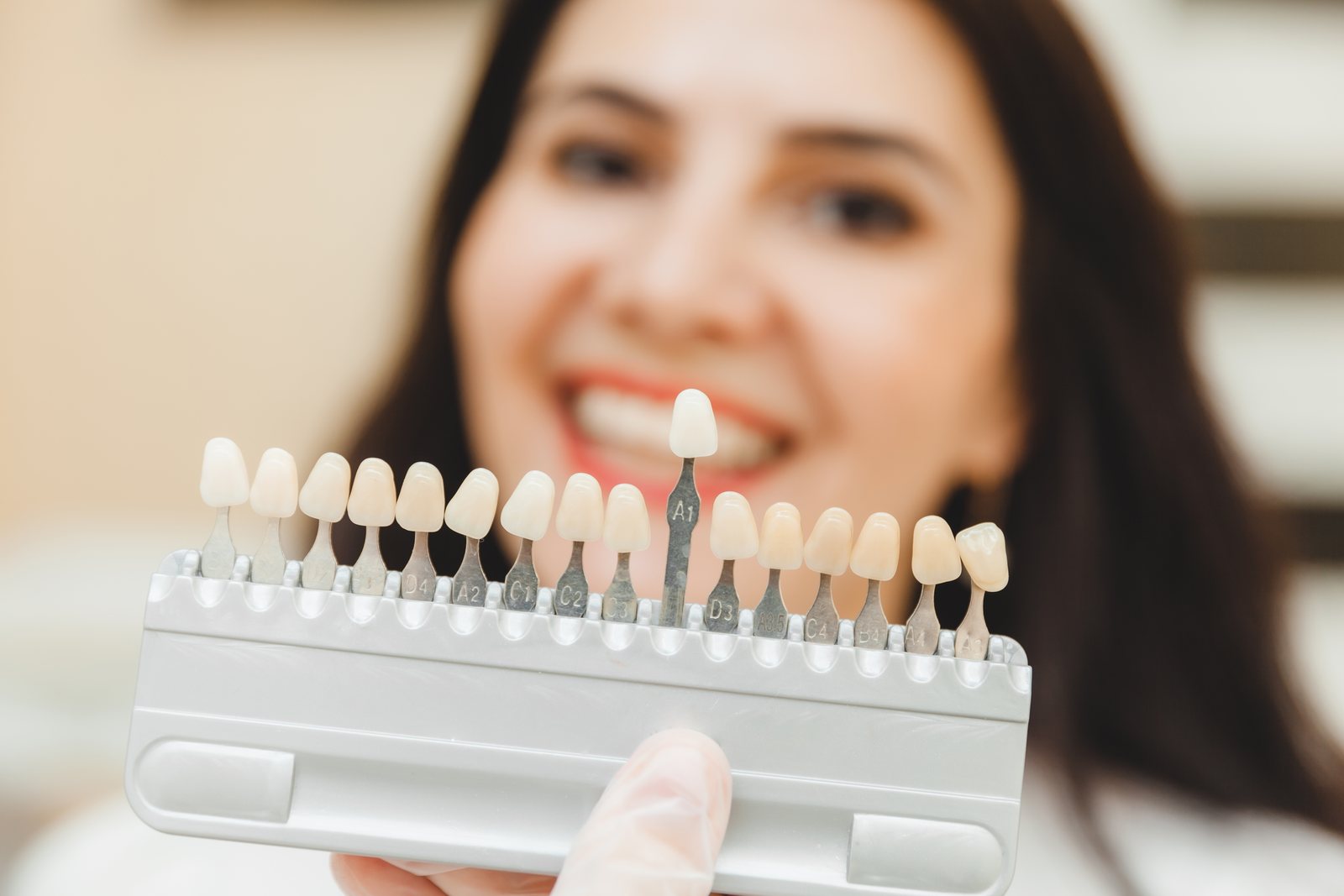
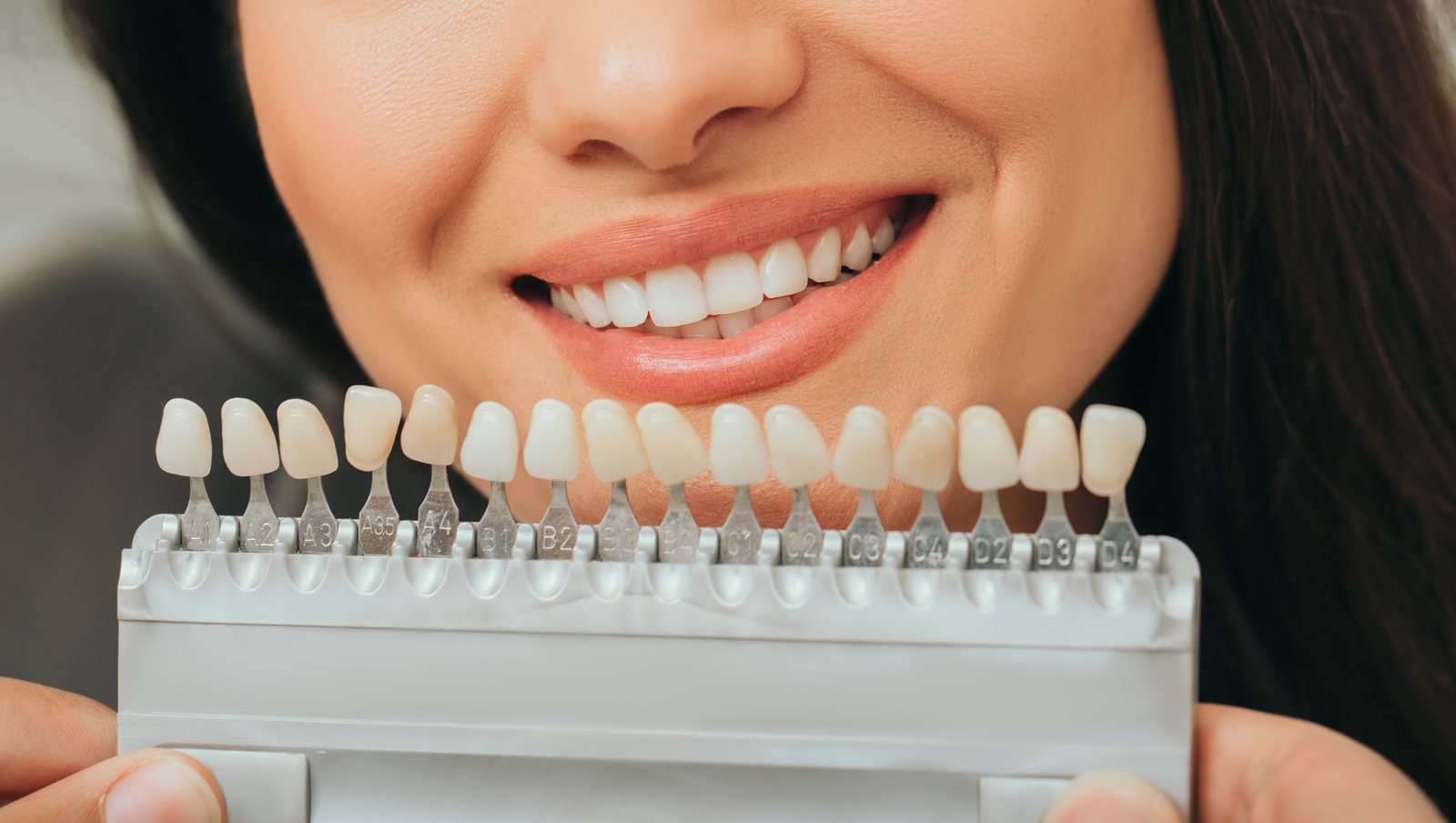
Color is matched against the adjacent teeth in natural light, with photographs sent to the laboratory. A shade taken under a surgical lamp does not survive daylight.
Bonded, not simply cemented
Lithium disilicate is adhesively bonded to the remaining tooth, which is part of both its strength and its ability to be made conservatively thin.
E.max or zirconia — which should I have?
It depends on where the tooth sits and what it has to survive. Lithium disilicate handles light like enamel and is the better choice in the aesthetic zone, particularly for a single crown that has to blend with the tooth beside it. Zirconia is substantially stronger and is the better choice for molars, for patients with a heavy bite or a grinding habit, and for longer spans. Neither is universally superior, and a recommendation that arrives without reference to your bite is a recommendation about the laboratory rather than about you.
Is it strong enough for a back tooth?
In many cases yes, and the decision turns on your bite rather than on the material specification. Where the opposing arch is natural, the bite force is moderate and there is no grinding habit, lithium disilicate performs well on premolars and can be used further back. Where there is significant clenching, an opposing full-arch restoration or a history of fractured restorations, zirconia is the more sensible choice and appearance is not meaningfully compromised that far back in the mouth.
What it costs
Prices in USD. Every plan is confirmed after imaging and clinical evaluation; the written estimate you receive before treatment is the one that applies.
Before & After
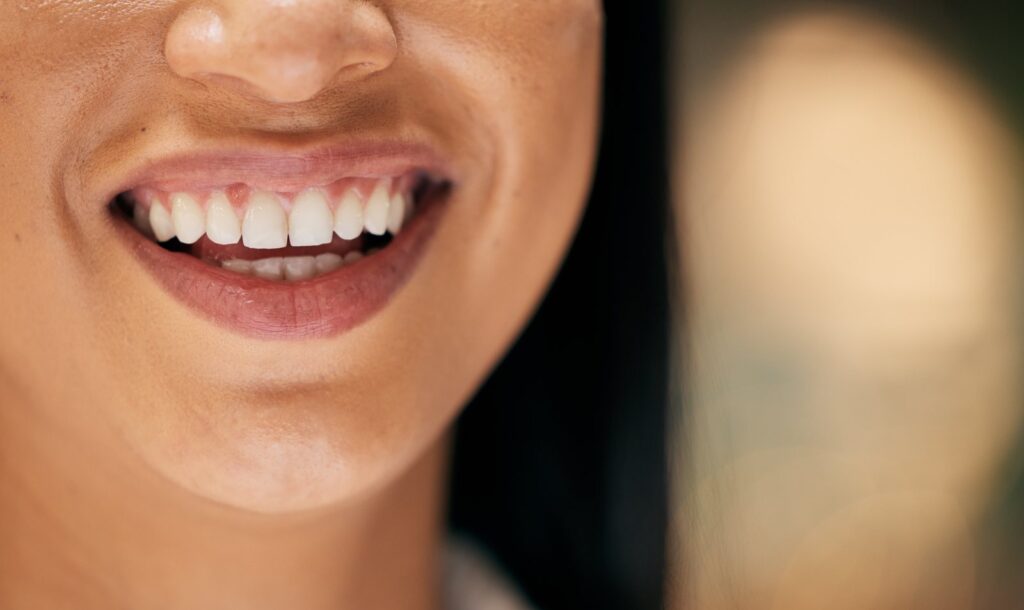
A single anterior crown is the hardest photograph in cosmetic dentistry, because the result is judged by whether a stranger can pick it out of the line-up. These cases are photographed under standardized lighting against the adjacent teeth, which is the only comparison that means anything.
What patients say
“From the moment I first reached out by email, my experience with Makeover Dental Studio has exceeded every expectation. The clinic itself is state-of-the-art, but what truly sets it apart is the incredible team behind it.”
“Very pleased and impressed with the professional service and attention given at this clinic. All of the staff is very attentive. Dr. Erika answered all my questions and concerns, she explained in detail the whole process of my braces…”
“I went in there as a walk in and came out a happy customer. Great service and beautiful facility.”
“Thank you so much for saving the day. I don’t remember the last time I had such a painful toothache. My wisdom teeth were definitely not helping. Thank you for taking me in last second…”
Quoted exactly as written. All 479 reviews on Google →
Frequently asked
What patients ask before they book. If yours is not here, the fastest answer is a call.
- Your case planned in 3D before treatment begins
- A treatment plan written in English
- A direct line to the clinic once you are home
Less than for a conventional crown in many cases, because bonding allows a thinner restoration. How much depends on how much structure the tooth has already lost, and where less coverage would serve, an onlay is the more conservative answer.
There are two clinical steps — preparation with a shade record, and fitting. How close together they can be scheduled depends on laboratory time, and it is confirmed before you plan the trip rather than after.
Glazed ceramic does not absorb stain the way composite does, so the restoration itself holds its color. What changes is the teeth around it, which is why whitening, when it is wanted, is done before the shade is recorded.
The porcelain matters more than the price
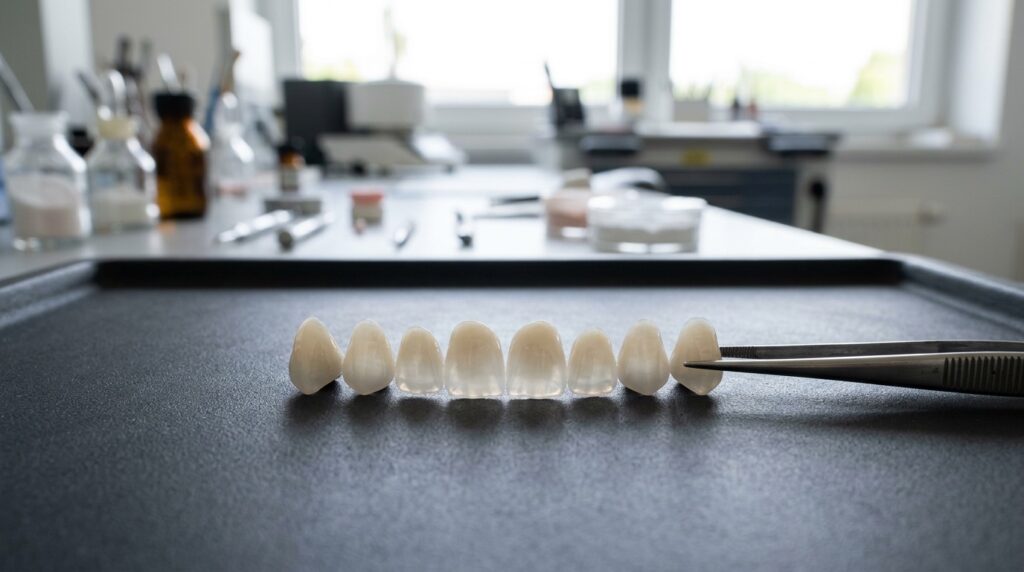
Veneers here are made from IPS e.max lithium disilicate, layered with Noritake porcelain. That combination is chosen for a specific reason: e.max carries the strength, and the Noritake layering carries the optics — the translucency at the edge and the opacity near the gum that make a tooth read as a tooth instead of as a white rectangle.
A veneer that is strong but flat looks fake in daylight. One that is beautiful but brittle chips within a year. The material pairing is what lets a case be both, and it is the part of the quote that patients almost never see itemised.
Designed on a computer before anything is touched
The shape of your new teeth is designed digitally first — proportions, midline, incisal edge, how much tooth shows when you smile and when you speak. You see that design and approve it before any enamel is prepared.
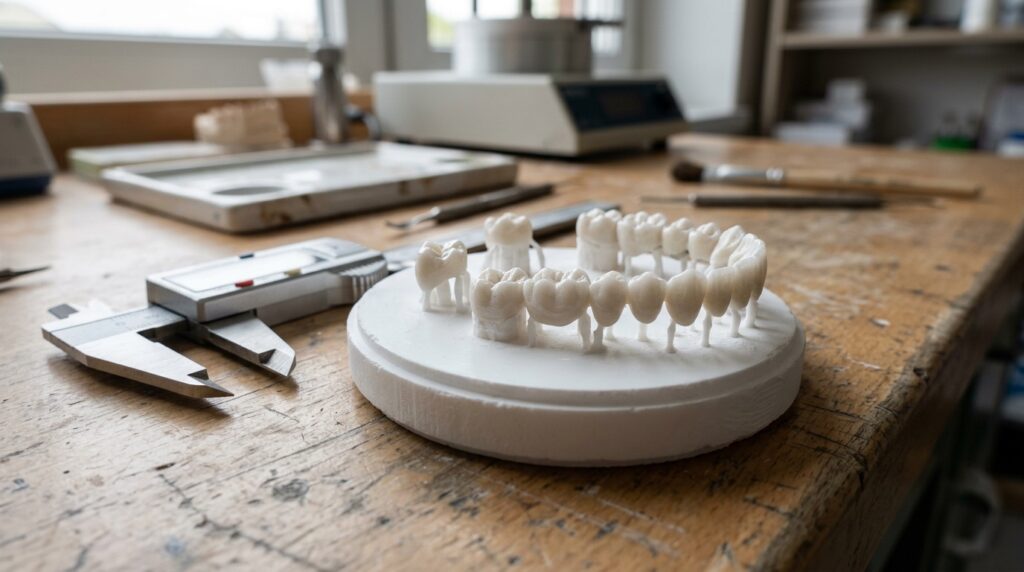
The approved design becomes the milling file, so what comes out of the machine is what you agreed to on screen. Nothing is improvised at the chair, and nothing is decided by someone who has not looked at your face.
When zirconia is the better answer
e.max is chosen where appearance is doing most of the work — front teeth, veneers, anything that shows when you speak. Full zirconia is chosen where load is doing most of the work: molars, patients who grind, and full-arch frameworks that have to survive years of chewing.
They are not competing materials and one is not simply better. A practice that only offers one is choosing for its laboratory rather than for your tooth. Here both are milled in the building, so the decision is made on where the crown is going and how you bite — not on what happens to be in stock.
Explore other treatments
How many visits this takes is something you can know before you book the drive.
Preparation, laboratory time and fitting are what set the schedule, and yours is written out before you commit to it. Where a crown can be finished in a single visit, that is said plainly.
Mon-Fri 9:00am – 6:00pm
Sat 9:00am – 4:00pm
Request your consultation
If you have been quoted a crown without being told what it will be made of, that is the question worth asking first. The material should follow from your bite and the position of the tooth.
US: +1 (619) 202-0423
MX: +52 (664) 634-2023
makeoverdentalstudio@outlook.com
Frida Kahlo 10410, Torre Quatro, 1st floor, office 106
Zona Urbana Rio, Tijuana, B.C. 22010
Mon-Fri 9:00am – 6:00pm | Sat 9:00am – 4:00pm