Bite Reconstruction
Jaw pain, morning headaches and teeth that keep breaking are usually the same problem described three different ways.
The bite is a joint, two sets of muscles and a set of contacts that have to agree with each other. When they disagree, the body compensates — the jaw finds a path around the interference, the muscles work harder to hold it there, and the teeth absorb the difference.
The symptoms that follow rarely look dental.
- Headaches that are worst on waking
- Tension across the temples and jaw
- Clicking or locking when opening
- Teeth that are sensitive to cold with nothing visibly wrong
- Restorations that fracture in the same place repeatedly
Patients often see several other clinicians before anyone examines how the jaw closes.
Bite reconstruction treats the closing position itself. It begins by establishing where the jaw wants to close when the muscles are not compensating, tests that position before anything definitive is built, and only then rebuilds the contacts so that they agree with it.

Working from the joint outward
The joint and muscles examined
Range of movement, joint sounds, muscle tenderness and the path the jaw takes on closing. The examination happens before any tooth is discussed.
A tested position, not a theoretical one
A splint or provisional restorations hold the proposed position while the muscles settle. Symptoms responding is the evidence that the position is right.
Contacts rebuilt to match
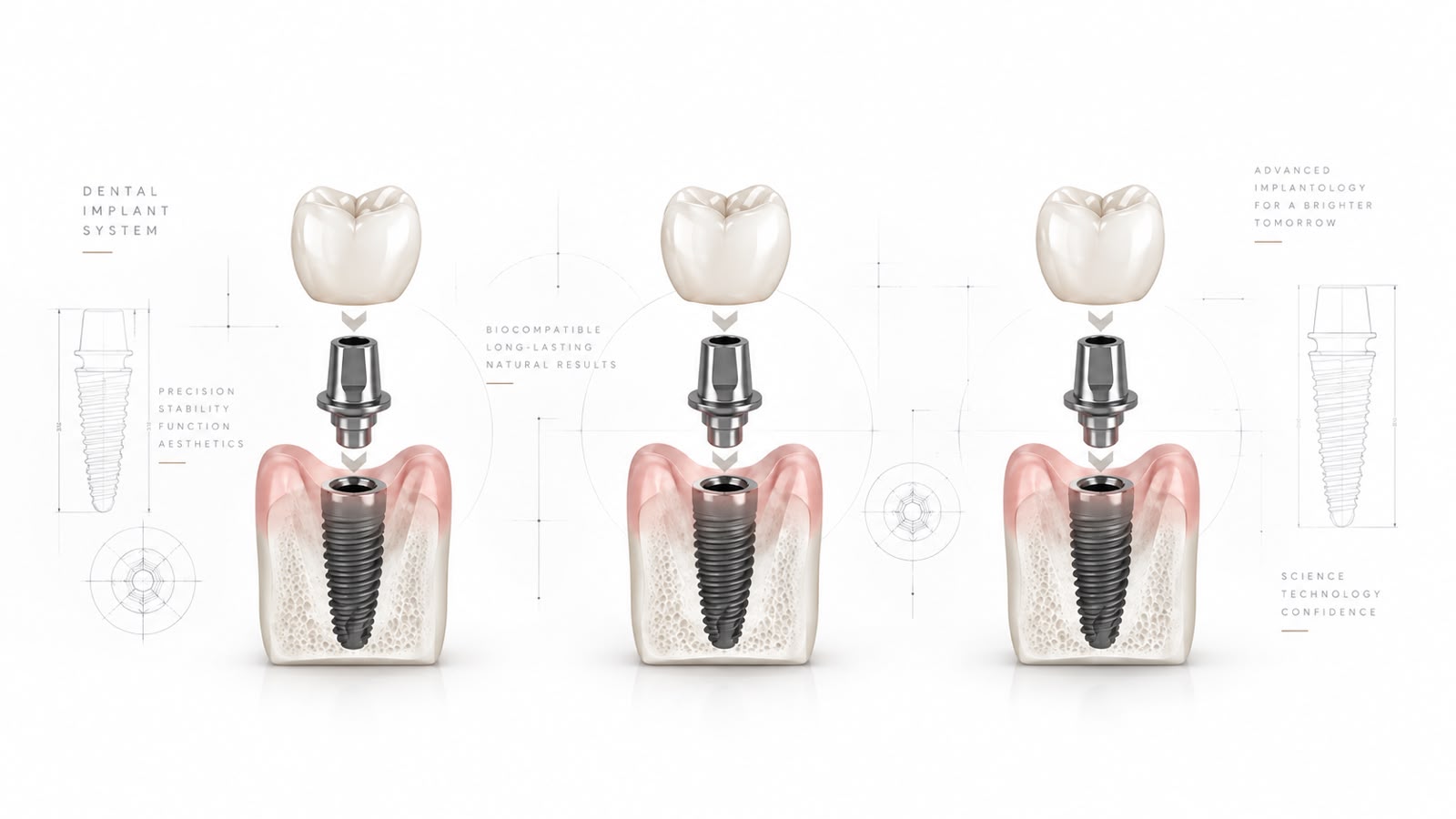
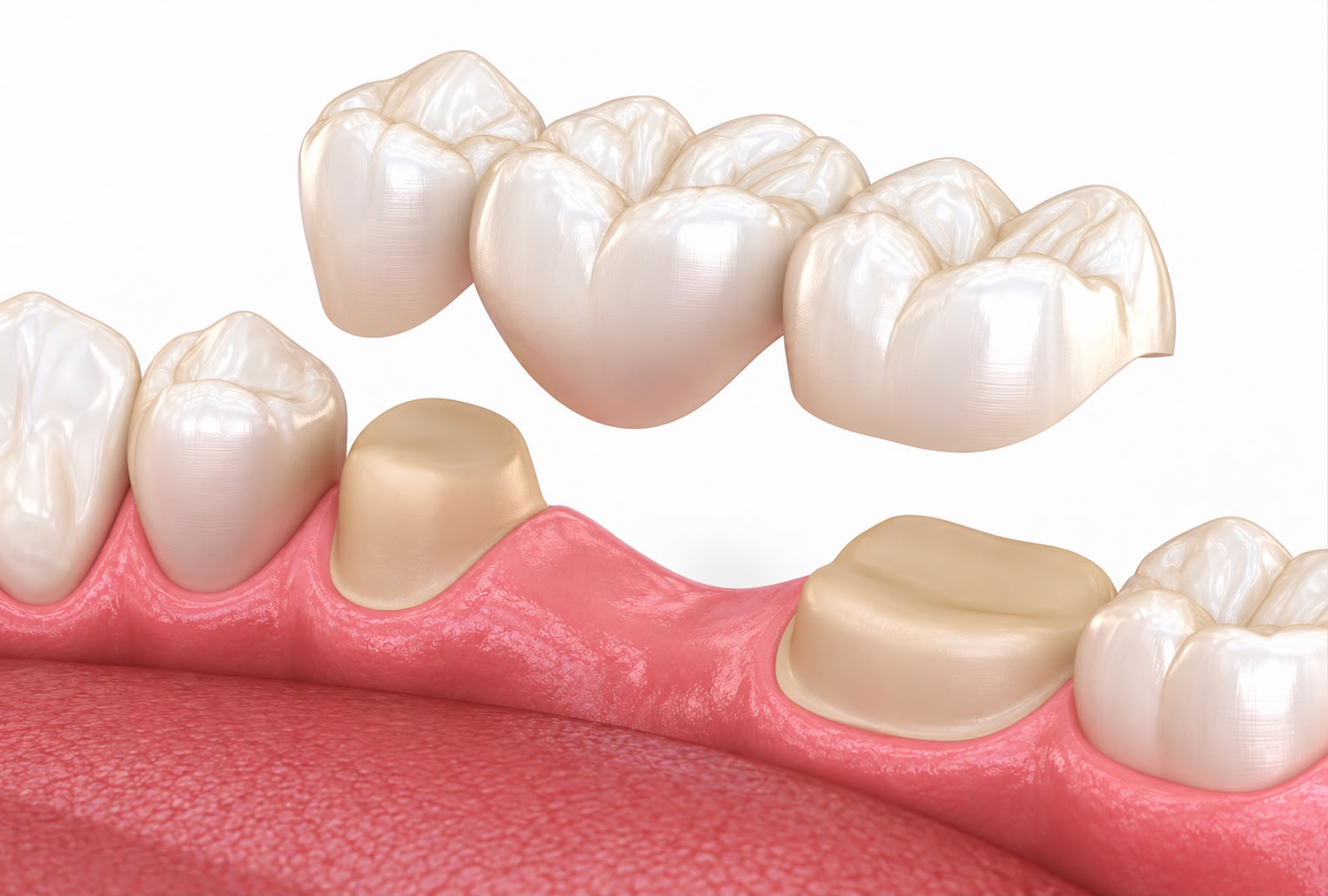
Once the position is confirmed, the teeth are restored so that they meet evenly in it. The restorations follow the bite rather than defining it.

Can my bite really be causing headaches?
It can, and it is worth investigating before it is assumed. When the teeth do not meet evenly, the muscles that position the jaw hold tension to compensate, and those muscles run through the temples and along the side of the head. That is why the pain is often worst on waking, after a night of clenching against an interference. It is not the only cause of headaches and it should not be treated as though it were, but it is one of the few that a dental examination can identify directly.
Why start with a splint instead of fixing the teeth?
Because a bite position has to prove itself before it is made irreversible. A splint holds the jaw in the proposed position and is entirely reversible: if the symptoms settle, the position was correct and the restorations can reproduce it. If they do not, nothing has been committed to and the diagnosis is revisited. Restoring teeth into an unverified position is how a patient ends up with a rebuilt mouth and the same pain. The same applies with long-term provisionals instead of a splint: if the headaches and the tension ease in that position, the position is right; if they do not, it gets adjusted, and nothing has been done to your teeth yet.
What patients say
“From the moment I first reached out by email, my experience with Makeover Dental Studio has exceeded every expectation. The clinic itself is state-of-the-art, but what truly sets it apart is the incredible team behind it.”
“I went in there as a walk in and came out a happy customer. Great service and beautiful facility.”
“Very pleased and impressed with the professional service and attention given at this clinic. All of the staff is very attentive. Dr. Erika answered all my questions and concerns, she explained in detail the whole process of my braces…”
“Thank you so much for saving the day. I don’t remember the last time I had such a painful toothache. My wisdom teeth were definitely not helping. Thank you for taking me in last second…”
Quoted exactly as written. All 479 reviews on Google →
Frequently asked
What patients ask before they book. If yours is not here, the fastest answer is a call.
- Your case planned in 3D before treatment begins
- A treatment plan written in English
- A direct line to the clinic once you are home
Usually not. Clicking without pain or limitation is common and is often monitored rather than treated. Locking, pain on opening, or a change in how the teeth meet are the signs that warrant examination sooner.
The splint phase is mostly time rather than appointments, which suits travel well. Adjustments are grouped, progress is reviewed remotely, and the restorative phase is scheduled only once the position has held.
Very often, yes. If clenching or grinding contributed to the original problem, that habit does not disappear because the bite was corrected, and the guard is what protects the new work from it.
Not necessarily, and that is the point of doing it this way. Where a contact point has worn down, height can be added back with an overlay or an onlay instead of reducing the tooth to fit a crown. Each tooth is assessed on its own: some need a restoration, some need an adjustment to the surface, and some need nothing.
Relief from the muscle tension and the morning headaches often comes within the first weeks of the deprogramming phase. The definitive work is scheduled only once the joint is stable and comfortable, which takes from a few weeks to a couple of months depending on the case.
Yes. Grinding is often the system trying to wear away the interference that keeps the jaw from closing in a relaxed position. Correct the contacts and the reason for grinding goes down — which protects the teeth from flattening further and the joint from the load. The habit can outlast the reason for it, which is why the night guard stays part of the plan.
Explore other treatments


Morning headaches and teeth that keep breaking are often one problem, not three.
The bite is where those symptoms usually meet, and it is the thing most often left unexamined — many patients see several clinicians first. Whether yours is a bite problem starts with looking at how the jaw closes.
Mon-Fri 9:00am – 6:00pm
Sat 9:00am – 4:00pm
Request your consultation
If you have been treated for headaches or jaw pain without a clear answer, an occlusal examination is a different question being asked. It measures how your jaw closes rather than how your teeth look.
US: +1 (619) 202-0423
MX: +52 (664) 634-2023
makeoverdentalstudio@outlook.com
Frida Kahlo 10410, Torre Quatro, 1st floor, office 106
Zona Urbana Rio, Tijuana, B.C. 22010
Mon-Fri 9:00am – 6:00pm | Sat 9:00am – 4:00pm