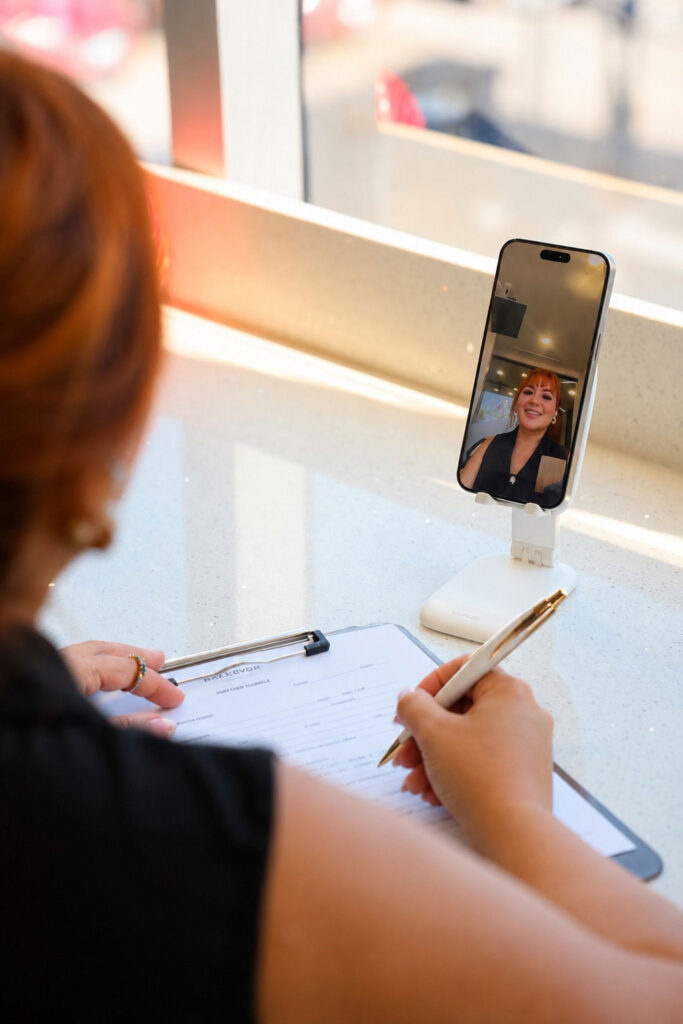
Porcelain Veneers
Designed before they are made. You see the result and approve it before a single tooth is prepared.
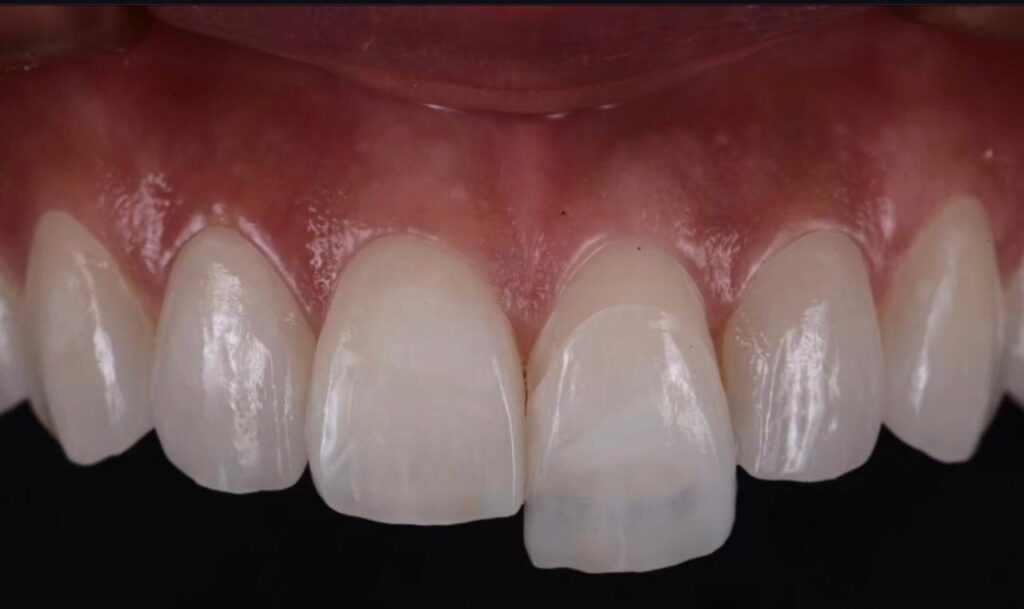
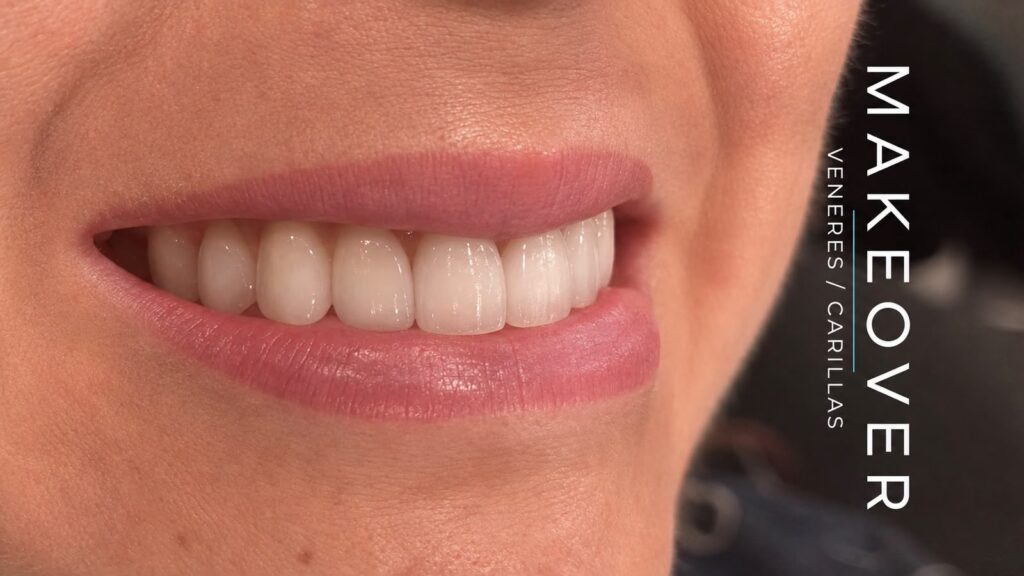
A veneer is a thin porcelain shell bonded to the front of a tooth. It changes shape, shade, length and apparent alignment in one step, which is why it reaches cases that whitening and bonding cannot.
It is also irreversible. Enamel has to be prepared to receive it, and that enamel does not grow back, which means a veneer commits you to having veneers. That sentence belongs at the beginning of the conversation, not in the consent form.
Where the underlying problem is position rather than appearance, moving the tooth is more conservative than covering it. Orthodontics first and veneers afterwards, on fewer teeth, is a common outcome of an honest plan.

Who designs your veneers
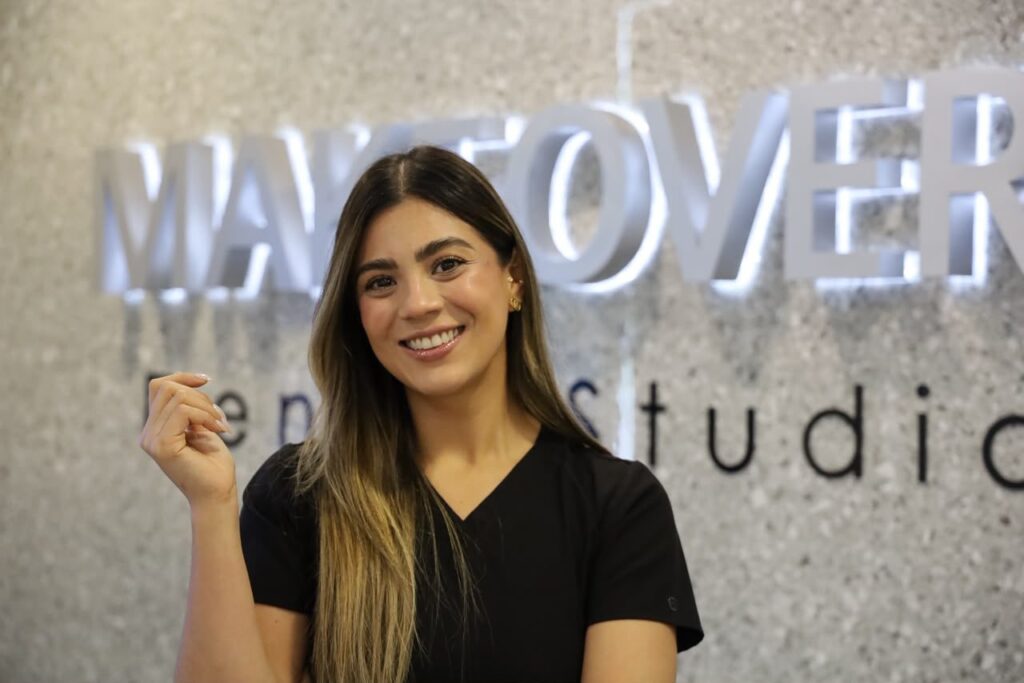
A proud graduate of the Universidad Autónoma de Baja California (2014), Dra. Karla P. Ramírez Nuñez has been an essential cornerstone of the Makeover team for over 12 years. She specializes in advanced cosmetic treatments, full-mouth reconstructions, and managing highly complex aesthetic cases, blending precision with artistry to restore both function and beauty. Cédula profesional 10404814.
Veneers are the treatment where the decision matters more than the technique, because enamel that is prepared does not grow back. What gets discussed first is whether your case needs them at all.
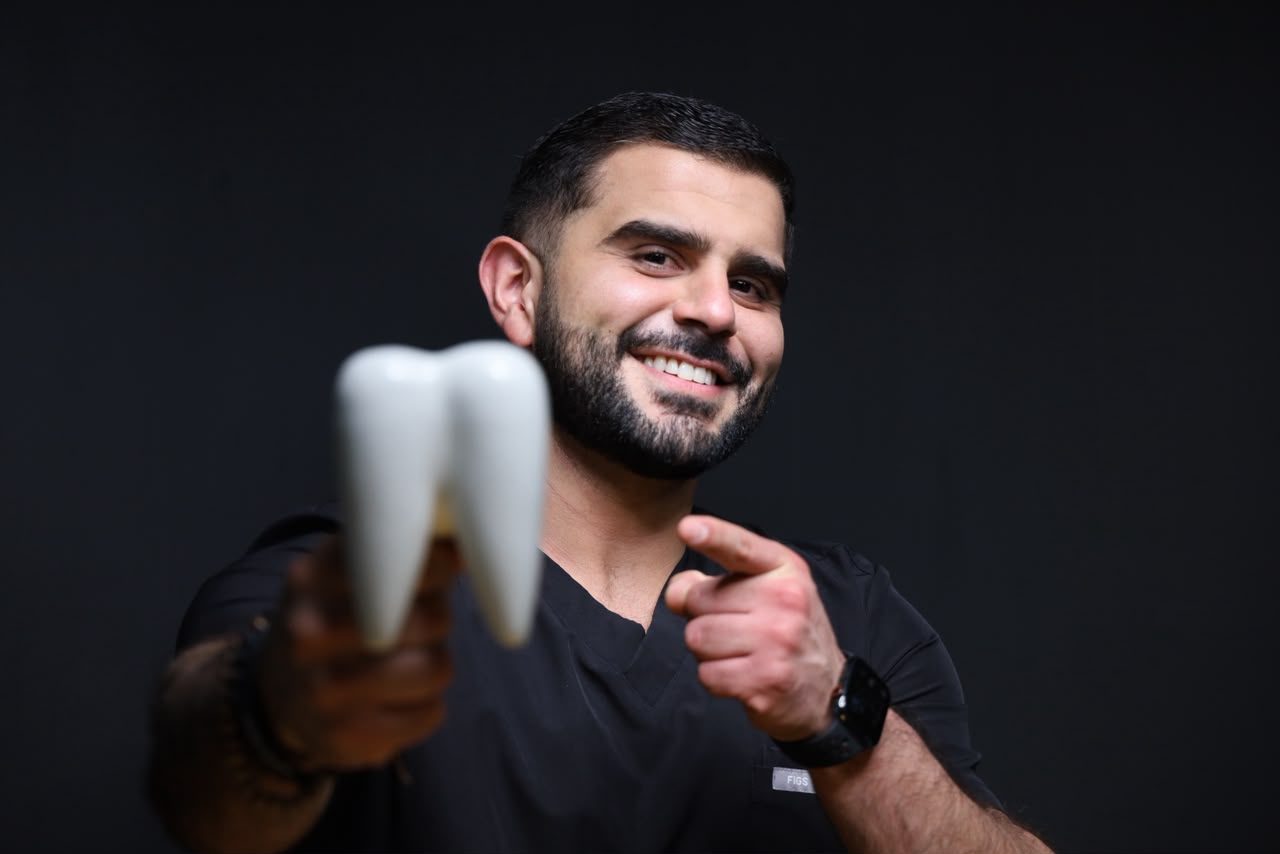
Who handles cosmetic cases
A graduate of the Universidad Autónoma de Baja California (2017), Dr. Daniel Frías has been a key pillar of the Makeover team for 6 years. He specializes in high-end cosmetic enhancements, complex full-mouth reconstructions, and advanced rehabilitation cases, combining clinical excellence with advanced aesthetics to deliver comprehensive smile transformations. Cédula profesional 11502407.
Who plans your case
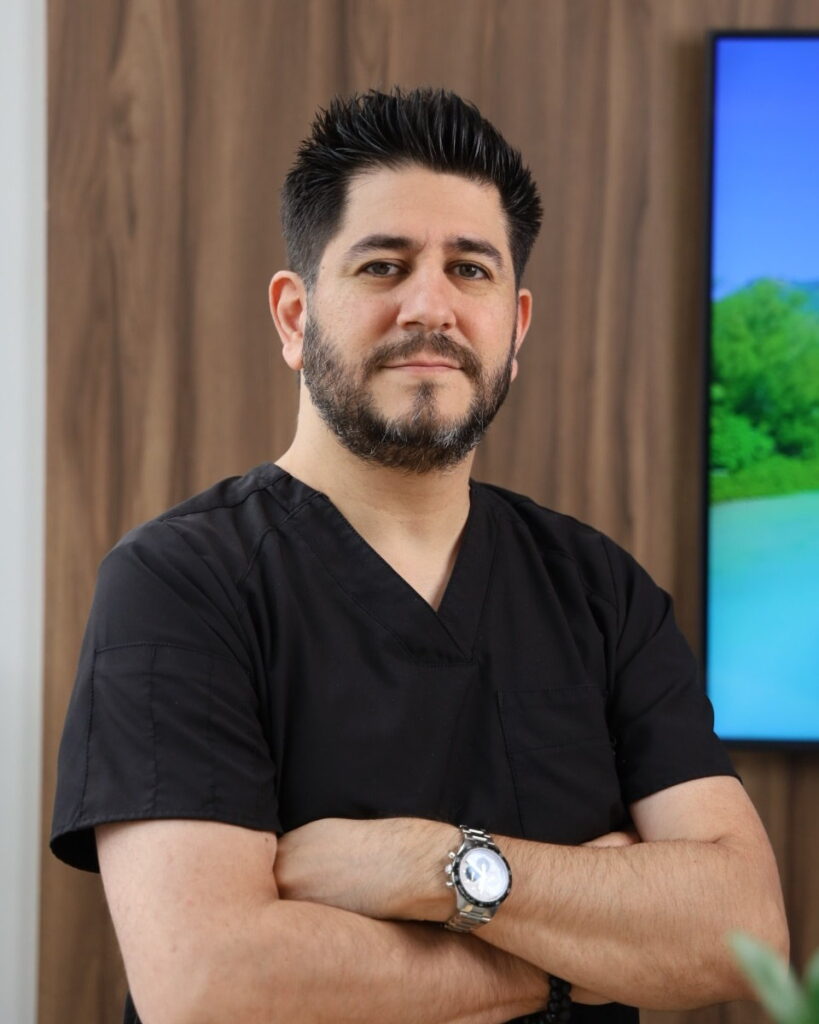
Dr. Rafael Cortés Álvarez, Director of Makeover Dental Studio, also places veneers, and he is the one who plans the case where a smile design crosses into implants or full-mouth rehabilitation. Cédula profesional 5933630.
From design to bonded porcelain
Photographs and proportion
Lip line, midline, how much tooth shows at rest and the curve of the smile are recorded before any shade is chosen.
The trial, in your mouth
The design is tested as a provisional you can see, photograph and live with briefly. Approval happens there, not on a screen.
Preparation and bonding
Enamel is prepared conservatively to the approved design, and the porcelain is bonded and polished at the margins.
How they are planned
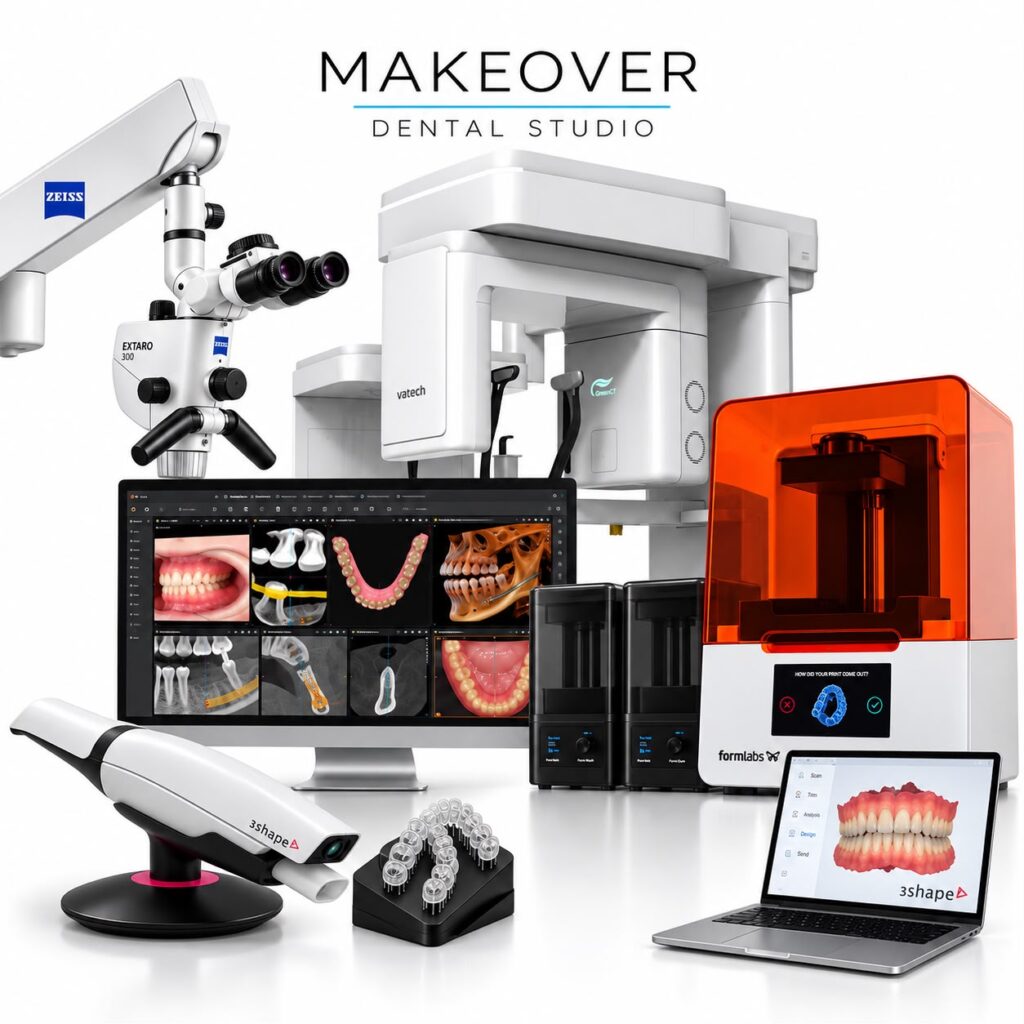
- Intraoral digital scanning — a 3D replica of your teeth, with no impression trays.
- 3D facial scanning — your features and your expressions, not only the teeth.
- Radiographs and clinical evaluation — the structure under the enamel.
- exocad — all of it in one file, where the doctors and the laboratory’s 3D smile design technician work the case together.
From those come the shape, texture, size and shade.
The material
Two ceramics, chosen by the case.
- IPS e.max lithium disilicate — high-strength, made to take bite forces, and translucent.
- Feldspathic porcelain, built by hand — the ceramist layers it with a brush, powder by powder. That is what produces the micro-texture and the internal depth that read as enamel rather than as a shade.
Seen before it is permanent
The restorations are tried in before anything is bonded, and appearance, speech and bite are checked with you and adjusted until it is right.
How many veneers will I need?
As many as your smile shows when you laugh, which is usually fewer than patients assume. Treating only the teeth that are visibly involved is more conservative and often looks more natural.
Do veneers ruin your teeth?
They require enamel to be prepared, and that is permanent. Done conservatively on the right case, the tooth underneath stays healthy and protected; done on a case that did not need them, it is a trade you cannot undo.
If you are looking for a more conservative option, prepless veneers are bonded over your enamel with little or no reduction.
What it costs
Prices in USD. Every plan is confirmed after imaging and clinical evaluation; the written estimate you receive before treatment is the one that applies.
What patients say
“From the moment I first reached out by email, my experience with Makeover Dental Studio has exceeded every expectation. The clinic itself is state-of-the-art, but what truly sets it apart is the incredible team behind it.”
“Very pleased and impressed with the professional service and attention given at this clinic. All of the staff is very attentive. Dr. Erika answered all my questions and concerns, she explained in detail the whole process of my braces…”
“I went in there as a walk in and came out a happy customer. Great service and beautiful facility.”
“Thank you so much for saving the day. I don’t remember the last time I had such a painful toothache. My wisdom teeth were definitely not helping. Thank you for taking me in last second…”
Quoted exactly as written. All 479 reviews on Google →
Frequently asked
What patients ask before they book. If yours is not here, the fastest answer is a call.
- Your case planned in 3D before treatment begins
- A treatment plan written in English
- A direct line to the clinic once you are home
Related reading: Veneers vs Crowns: They Are Not Competing Options
Porcelain does not stain the way natural enamel does, and it can chip under trauma or grinding, as any ceramic can. A night guard is standard for patients who grind.
Porcelain is dense and non-porous, so coffee, tea, wine and tobacco do not change its shade the way they mark enamel or a composite bonding. What can pick up stain over the years is the margin where the veneer meets the tooth, and looking after that is part of what the routine cleanings are for.
Bonded porcelain is strong, but it is not unbreakable — biting ice or something hard can fracture it. A chipped or debonded veneer is usually not patched: it is remade at the laboratory, because a repair done in the mouth does not hold the same and does not match the rest.
Typically two clinical visits after the consultation — design and trial, then preparation and bonding — with the interval set by laboratory time rather than by healing.
Yes, when your natural teeth will be part of the final result. Porcelain does not lighten afterwards, so the shade of the veneers is chosen against teeth that are already where you want them.
On average 10 to 15 years, and longer with good care. What decides it is less the porcelain than the bite they were designed into, the hygiene and whether you grind your teeth: if you do, a nightguard is part of the plan, not an extra.
The digital mapping is non-invasive. Where the case calls for preparing a thin layer of enamel, that is done under local anesthesia. Some patients have mild sensitivity to temperature for a few days after cementation, and it settles on its own.
In about 95% of cases the try-in and the final bonding happen in a single visit. When something in the shape, the shade or the bite is not right — whether you notice it or the doctor does — the veneers go back to the laboratory for adjustment and the cementation moves to a short follow-up appointment. The appointment gets rescheduled rather than the detail overlooked.
The porcelain matters more than the price
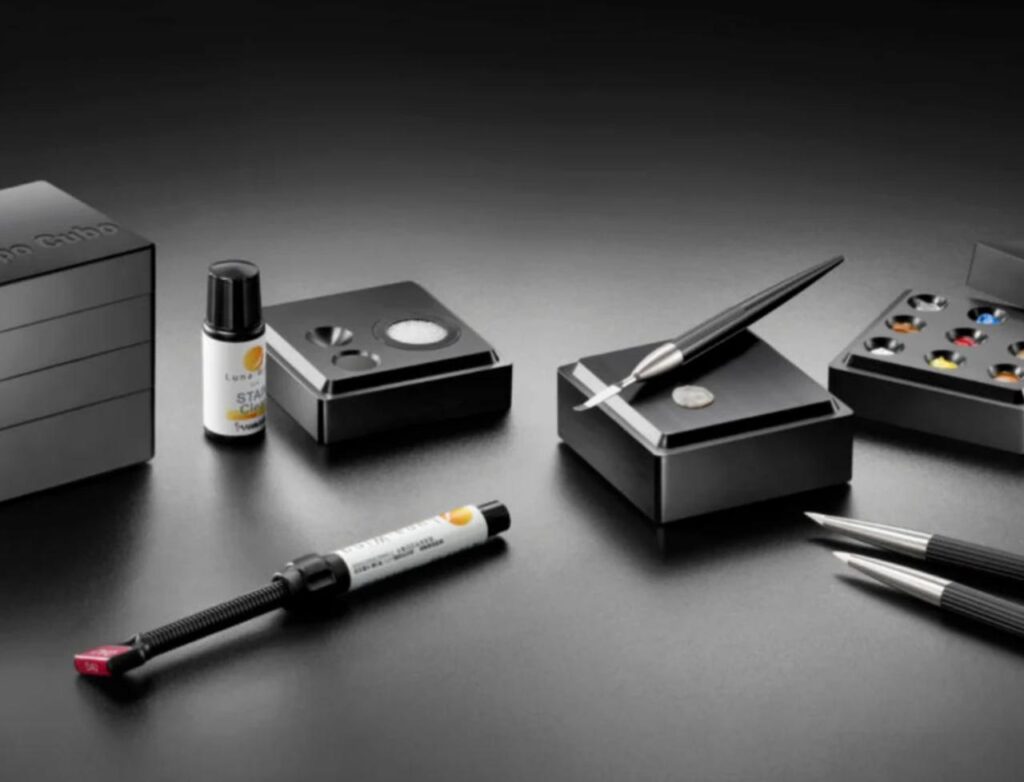
Veneers here are made from IPS e.max lithium disilicate, layered with Noritake porcelain. That combination is chosen for a specific reason: e.max carries the strength, and the Noritake layering carries the optics — the translucency at the edge and the opacity near the gum that make a tooth read as a tooth instead of as a white rectangle.
A veneer that is strong but flat looks fake in daylight. One that is beautiful but brittle chips within a year. The material pairing is what lets a case be both, and it is the part of the quote that patients almost never see itemised.
Designed on a computer before anything is touched
The shape of your new teeth is designed digitally first — proportions, midline, incisal edge, how much tooth shows when you smile and when you speak. You see that design and approve it before any enamel is prepared.
The approved design becomes the milling file, so what comes out of the machine is what you agreed to on screen. Nothing is improvised at the chair, and nothing is decided by someone who has not looked at your face.
Explore other treatments

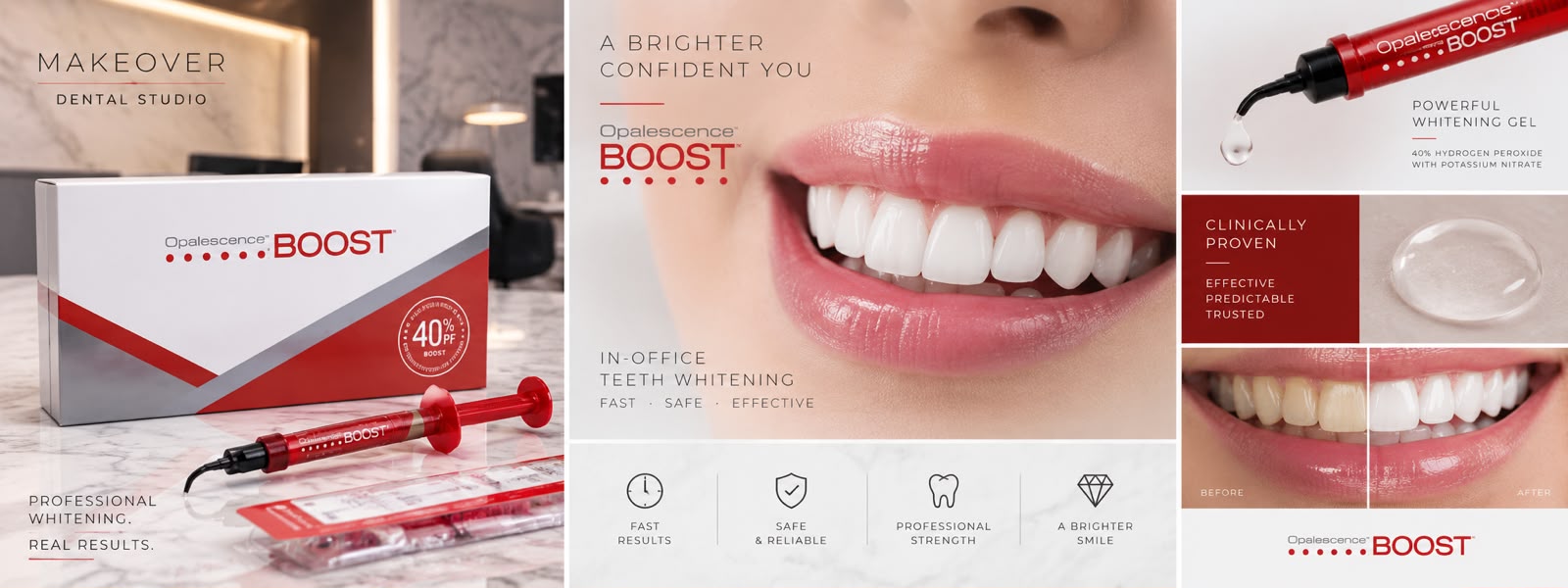

A design you see and approve before anything is prepared.
The conversation starts with what actually bothers you in a photograph of yourself, not with the name of a treatment. If something smaller than what you came asking for would do it, that is what you will hear.
Mon-Fri 9:00am – 6:00pm
Sat 9:00am – 4:00pm
Request your consultation
The first appointment is photographs, proportion, and an honest answer about whether veneers are the right tool for what you want to change. Nothing is prepared until you have approved a design.
US: +1 (619) 202-0423
MX: +52 (664) 634-2023
makeoverdentalstudio@outlook.com
Frida Kahlo 10410, Torre Quatro, 1st floor, office 106
Zona Urbana Rio, Tijuana, B.C. 22010
Mon-Fri 9:00am – 6:00pm | Sat 9:00am – 4:00pm