Is Mexico Safe for Dental Work? Two Questions, Answered Separately
When patients ask this, they are usually asking two different things at once and getting an answer to only one of them.
The first question is about the city: is it safe to drive down, park, walk to an appointment and drive back. The second is about the dentistry: is the clinic clean, is the person treating me actually a specialist, and what happens if something goes wrong when I am home.
They deserve separate answers. Blending them into a reassuring paragraph is how clinics avoid the harder one.
The first question: crossing and being here
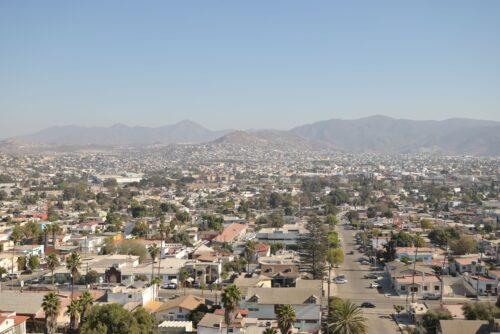
Makeover Dental Studio is in Zona Río, the business and financial district of Tijuana. It is where the corporate offices, the consulates, the hospitals and the shopping centers are. It is roughly five minutes from the San Ysidro crossing, which is the busiest land border crossing in the Western Hemisphere and handles tens of thousands of northbound crossings daily.
What most of our patients from San Diego actually do is simple: they park on the U.S. side and walk across. Pedestrian crossing at San Ysidro or Otay Mesa avoids the vehicle line entirely, and the walk plus a short ride puts you at the clinic. Patients who drive down do so as well, and we send route and parking information ahead of the appointment.
Two practical points that matter more than general reassurance:
Northbound wait times vary enormously by hour and day. Southbound is usually quick. Coming back is the variable. Appointments should be scheduled around it, not in spite of it — that is a scheduling decision the clinic makes, and it is a fair thing to ask about when you book.
You need a passport, passport card or other approved document to re-enter the United States by land. This surprises a number of first-time patients. Requirements are set by U.S. Customs and Border Protection and are worth checking directly at cbp.gov before your trip.
We cover the logistics in more detail in our dental tourism guide.
The second question: is the dentistry safe
This is the one that actually determines your outcome, and it is not answered by geography. There are excellent clinics and poor clinics in Tijuana, exactly as there are in San Diego. The difference is that you know how to evaluate a clinic at home and you may not know how to evaluate one here.
So here is how.
Credentials you can verify yourself
Every licensed dentist in Mexico holds a cédula profesional, a federal professional license number issued by the Secretaría de Educación Pública. Specialists hold a second cédula for their specialty. Both are matters of public record and can be looked up by name in the national registry at cedulaprofesional.sep.gob.mx.
This is the single most useful thing you can do, and almost nobody does it. A clinic that presents specialists should be able to give you each one’s full name, specialty and cédula number without hesitation. If that request creates friction, you have learned something.
A general dentist and a specialist are not the same credential. A specialty cédula requires a postgraduate program on top of the dental degree. When a clinic says “specialist,” you are entitled to ask in what, and issued by which university.
Regulation of the facility
Dental clinics in Mexico operate under health regulations administered by COFEPRIS, the federal health authority. Sterilization protocols, waste handling and facility standards fall under that framework. Regulation exists; what varies between clinics, as everywhere, is rigor.
Sterilization: the question behind the question
When patients ask “is it clean,” they are rarely asking about the floors. They are asking whether instruments that were in someone else’s mouth this morning are safe to be in theirs this afternoon.
The standards are not regional. What you should expect in any clinic, in any country:
- Autoclave sterilization of all reusable instruments, with heat and pressure, not chemical wipe-down
- Biological and chemical indicators that verify each cycle actually reached sterilizing conditions, with logs kept
- Single-use items genuinely used once — needles, blades, suction tips, barriers
- Sealed pouches opened in front of you, not instruments laid out on a tray before you arrive
- Barrier protection on chairs, lights, handles and anything touched during treatment
- Separate handling areas for contaminated and sterile instruments
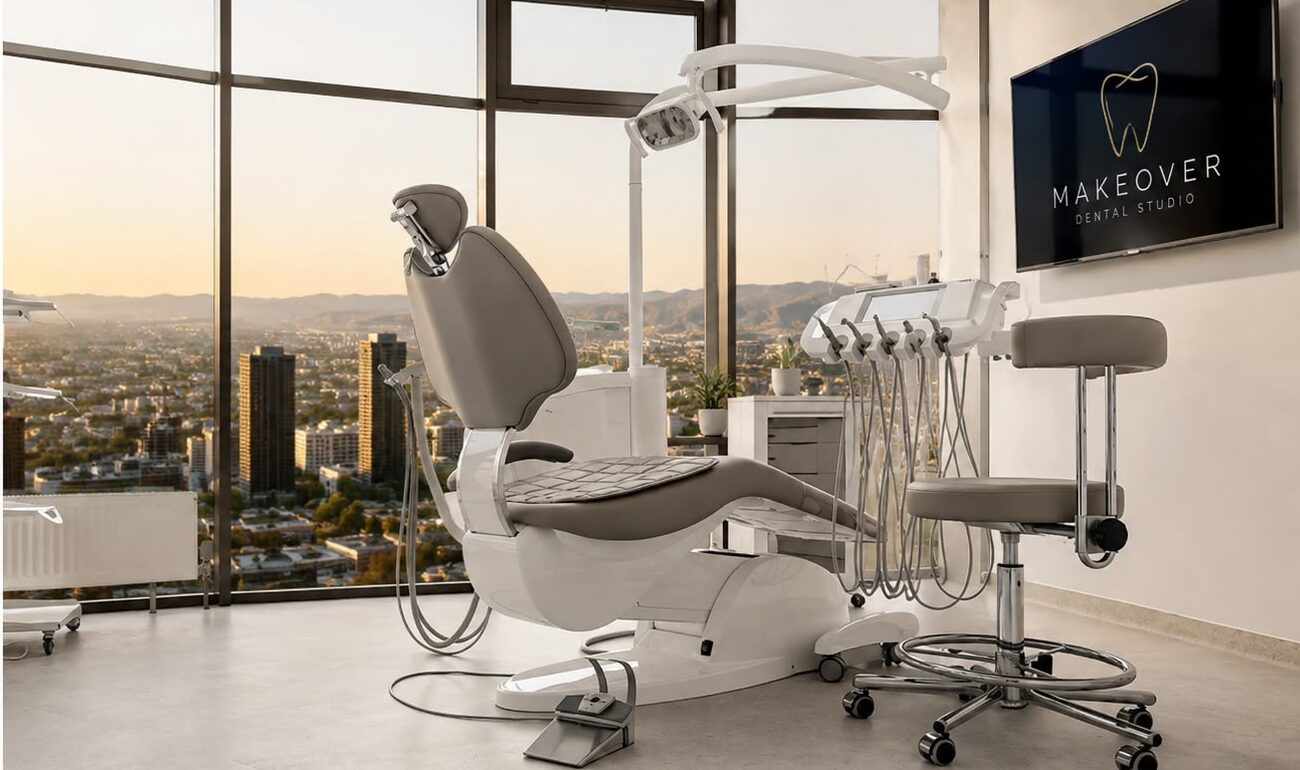
You are allowed to ask to see the sterilization area. A clinic proud of its protocol will show you. That request tells you more than any certificate on a wall.
What actually goes wrong in dental tourism
The failures that make the news are rarely surgical accidents. They follow a recognizable pattern, and every element of it is visible before you commit.
A price quoted before imaging. A treatment plan produced from a photograph or a phone call is not a treatment plan.
A schedule compressed to fit a trip rather than a biology. Implants integrate over months. A clinic willing to compress that because you can only come once is prioritizing your calendar over your outcome.
No written plan. If the treatment, the appointment count and the cost are not written down in a language you read fluently, there is nothing to hold anyone to.
No follow-up structure. The question is not whether the clinic is competent. It is what specifically happens if a crown loosens in month four and you are in San Diego. That should have an answer before you begin.
A generalist doing specialist work. This is the quiet one. A single dentist performing surgery, endodontics, orthodontics and prosthetics is not unusual in high-volume tourism clinics, and it is the structural difference between practices more than any equipment list.
Why we are built the way we are
Makeover Dental Studio is organized around one decision: each discipline is practiced by someone who does only that. Implantology, cosmetic dentistry, orthodontics, endodontics and oral rehabilitation each have their own specialist.
It is a harder practice to build and it is the reason complex cases are not referred out or improvised. It is also, practically speaking, the answer to the safety question that matters most — because the risk in dental work is rarely the country. It is whether the person holding the instrument does this procedure every day or a few times a year.
Frequently asked
Do you speak English?
Our clinical and front-desk team works in English daily, and treatment plans are written in English.
What if something goes wrong after I am home?
You have direct contact with the clinic, and follow-up is coordinated remotely. When a return visit is required, it is scheduled around your availability.
Are the materials the same as in the United States?
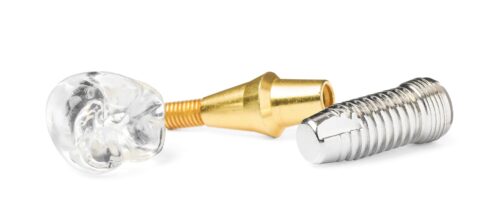
Implant systems, ceramics and laboratory materials used in specialist practice are international products, and the same manufacturers supply both countries. What is worth doing is asking a specific clinic which systems it uses and getting the answer in writing, rather than accepting the general claim.
Is it safe to drive into Tijuana?
Many patients do, and many prefer to park on the U.S. side and cross on foot to avoid the northbound vehicle line. We send route and parking guidance with the appointment either way. Travel decisions are personal, and current advisories are published by the U.S. State Department.
How do I know the specialist is really a specialist?
Ask for the full name and cédula profesional, and verify it yourself in the public registry. It takes two minutes and it is the most direct answer available to this question.
If verifying a clinic before trusting it with a full-arch case sounds like reasonable diligence, it is, and we would rather you did it. Our contact page is where to send questions, including the ones about credentials.
Related reading: Dental Tourism in Tijuana · Dental tourism guide · Cost of dental implants in Tijuana