Dental Tourism in Tijuana: A Planning Guide for Patients from San Diego
Most guides to dental tourism are written to reassure you. This one is written to help you plan, because the cases that go badly almost never fail for clinical reasons. They fail because the schedule was built around a trip instead of around a biology, or because nobody wrote anything down.
The medical part of cross-border care is not exotic. The logistical part is where the work is. Here is the sequence that works.
Before you cross
Send the case first
The single most useful thing you can do is send your information before you plan a trip. Recent X-rays, a description of the problem, and any treatment plan you have already been given elsewhere.
With that, a clinic can often give you a preliminary opinion — including, sometimes, the opinion that you need less than you were told. That conversation costs you nothing and it determines whether the trip is worth taking at all.
Ask what the plan actually is, in writing
Before you commit to travel, you should know:
- What treatment is proposed, and what alternatives were considered
- How many appointments, and how many separate trips
- Over how many months
- The total cost, itemized
- What is included if something needs adjustment afterward
A clinic that will not put this in writing before you arrive is not a clinic with a scheduling problem. It is a clinic with a business model that depends on you being in the chair before the number is final.
Understand which treatments can be compressed and which cannot
This is the part patients most want to be untrue.
| Treatment | Realistic structure |
|---|---|
| Cleaning, fillings, whitening | Single visit |
| Crowns, veneers | Commonly two visits, sometimes one trip with several days between appointments |
| Root canal | One or two visits, plus the crown that follows |
| Extractions | Single visit, with healing time before implant placement |
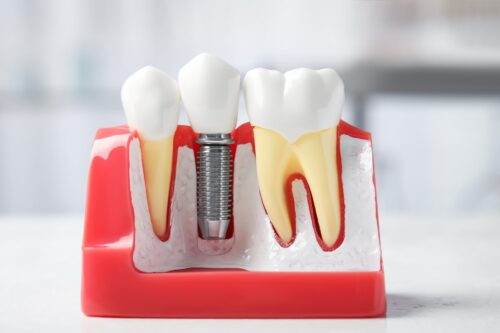
| Single implants | Typically two trips: placement, then restoration after integration |
| Full arch (All-on-4 / All-on-6) | Typically two trips: surgery with provisional teeth, final bridge after integration |
| Bone grafting | Adds a healing phase of months before implants can be placed |
| Orthodontics | Ongoing, planned around longer intervals for cross-border patients |
Implant integration takes three to six months. That is bone biology, and no clinic can shorten it. What a clinic can do is plan around it honestly — which usually means fewer trips than patients fear, because the provisional restoration means you are not walking around without teeth between them.
Getting here
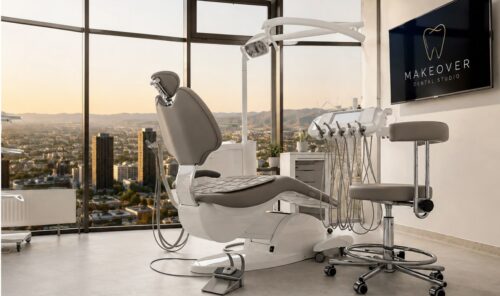
Makeover Dental Studio is in Zona Río, roughly five minutes from the San Ysidro crossing.
Walking versus driving
A large share of our patients from San Diego park on the U.S. side and cross on foot. Pedestrian crossing bypasses the vehicle line entirely, which is the part of the trip most people are dreading. From the pedestrian exit, a short ride puts you at the clinic.
Driving works as well and is the better option after a surgical appointment if someone else is driving. We send route and parking guidance either way.
Documents
Re-entering the United States by land requires a passport, passport card, or another approved document. Requirements are set by U.S. Customs and Border Protection and worth confirming at cbp.gov before you travel, particularly if you are bringing children.
Timing the crossing
Southbound is generally quick. Northbound varies substantially by hour and day, and it is the part of the trip worth designing around. Appointment times should be scheduled with the return crossing in mind — mid-morning and mid-afternoon behave very differently at San Ysidro. SENTRI and Ready Lane materially change the calculation for patients who cross often enough to justify enrolling.
If your appointment involves sedation
Arrange for someone else to drive, and plan the return crossing accordingly. This is not the day to be optimistic about wait times.
The appointment itself
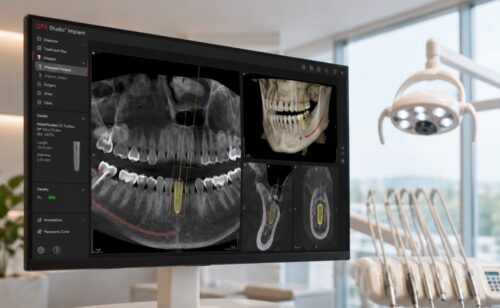
What a first visit should include: three-dimensional imaging where the treatment requires it, an examination by the specialist who would perform the work, a written treatment plan in English, and a cost that is stated before anything begins.
What it should not include: a price quoted before the imaging, or pressure to begin treatment the same day because you have driven down. Some treatments genuinely can begin immediately and that is a convenience. Urgency manufactured because you are already here is a different thing.
Money
Treatment in Tijuana typically costs a fraction of the equivalent in the United States. That difference comes from where the practice operates — clinical salaries, facility overhead, and the absence of the insurance billing layer that adds cost to every U.S. procedure. It does not come from different materials, laboratories or protocols.
Insurance
Some U.S. PPO plans reimburse out-of-network care received abroad and some do not. What determines it is your specific plan document, not the country. The practical step is to call your insurer, ask specifically about out-of-network international reimbursement, and ask the clinic for itemized documentation with standard procedure codes so you can file.
After you are home
This is where most dental tourism guides stop, and where most problems actually occur.
Have a direct line to the clinic. Not a general reception number. A way to reach someone who knows your case.
Have your documentation. Implant system and lot numbers, restoration design, imaging, and the treatment plan. This is what makes a dentist in San Diego able to service the work later, and it is not something you can obtain easily after the fact.
Keep a dentist at home. Cross-border treatment does not replace routine care. Implants in particular require professional maintenance on a schedule, and your hygienist at home is the right person for it as long as they know what was placed.
Know what happens if something loosens. A crown that comes off in month four is a normal event with a straightforward fix. It should not be a crisis, and whether it is depends entirely on whether anyone planned for it.
Frequently asked
How many days should I plan for a first trip?
It depends entirely on the treatment. A consultation and diagnostic appointment is a single day. Full-arch surgery with provisional teeth is typically one long appointment plus a follow-up a day or two later. You should receive the specific answer for your case before you book anything.
Can I fly home right after surgery?
That is a case-by-case clinical question, and it should be asked of the specialist performing the procedure rather than answered generically. It depends on the extent of the surgery, sedation, and your own health.
Can I bring prescribed medication back across the border?
Medication in its original labeled packaging with a prescription is generally the expectation. Rules on what may be brought into the United States are set by CBP and the FDA and are worth checking directly rather than assuming.
What if I need more work than expected?
The plan should be revised in writing before it is performed, not after. Any change to scope or cost is a conversation, not a surprise on an invoice.
Do I need to speak Spanish?
No. Our clinical and front-desk team works in English, and treatment plans are written in English.
If you are weighing whether a trip is worth taking at all, sending your case first is the cheapest way to find out. Our contact page is where to send X-rays and questions, and a preliminary opinion often arrives before you have booked anything.
Related reading: Dental Tourism in Tijuana · Is Mexico safe for dental work? · Cost of dental implants in Tijuana · International Patients