Cost of Dental Implants in Tijuana: What Actually Determines the Number
You have probably already done the search. You have seen a range so wide it is useless, quoted with total confidence by clinics that have never seen your mouth. Some of those numbers are for one implant. Some are for one implant and nothing else. A few are for an entire arch. Almost none of them tell you which.
That is the real problem with implant pricing, and it exists on both sides of the border. The number is not hidden. It is just meaningless until someone has looked at your bone.
What follows is not a price list. It is the thing that is more useful before you have one: an explanation of what you are actually paying for, why two quotes for “a dental implant” can describe completely different treatments, and what a written estimate should contain before you agree to anything.
An implant is three things, and they are priced separately
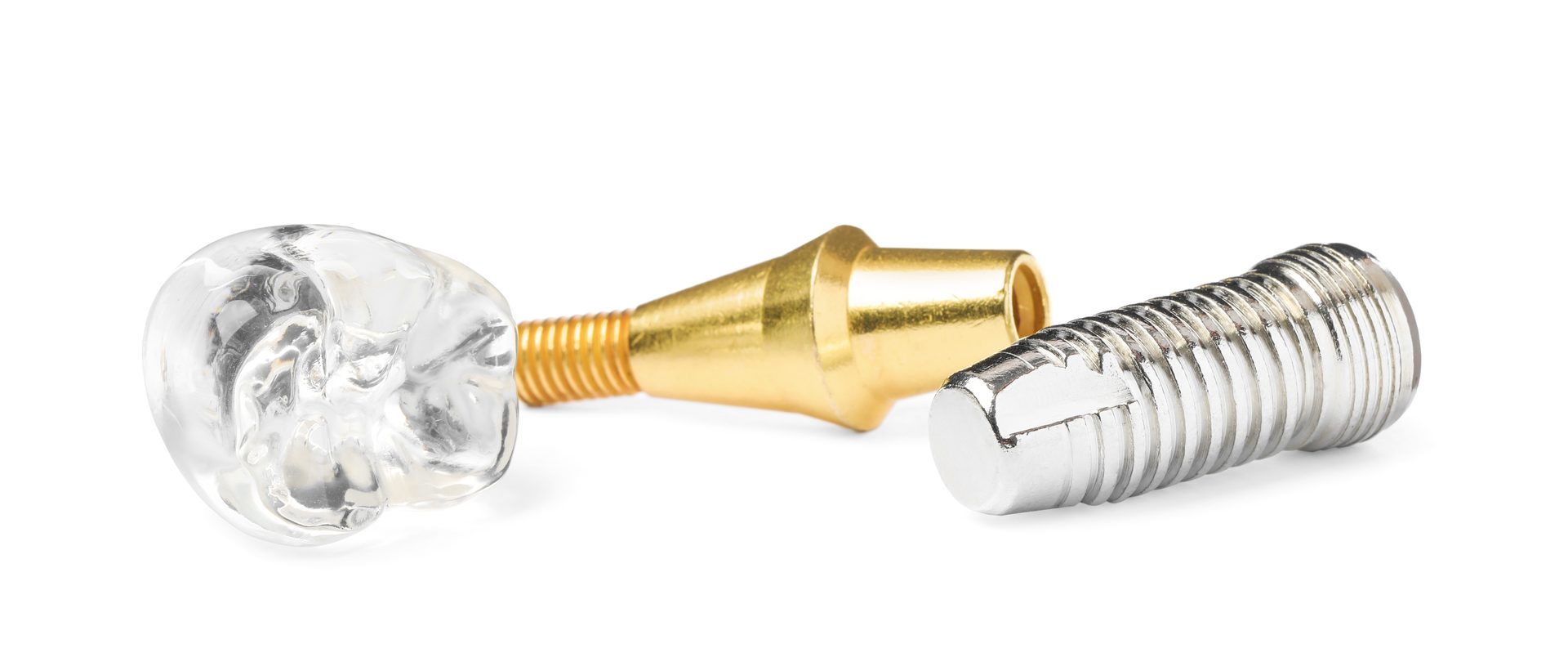
When a patient says “implant,” they usually mean the tooth they will see when it is done. Clinically, that result is assembled from three components, and a quote that mentions only one of them is not a quote for a finished tooth.
The fixture. The titanium post placed into the bone. This is the part that replaces the root, and it is the part most price comparisons are actually referencing.
The abutment. The connector between the fixture and the visible restoration. It can be a stock component or custom-milled for your specific case. That difference is real, and it shows up in the price.
The crown. The visible tooth. Material, laboratory and whether it is designed digitally all affect what it costs and how it looks.
A quote of one number with no breakdown is not necessarily dishonest. But it is impossible to compare against another clinic’s quote, which is usually the reason a patient asked for it in the first place.
What sits around the implant and still costs money
Beyond the three components, a complete treatment plan includes work that is easy to leave off a phone quote and impossible to leave out of the actual treatment.
Diagnostic imaging. A three-dimensional scan, not a flat X-ray. It is what determines whether the site can hold an implant at all, and where exactly it can go. Any plan created without one is a guess.
Surgical planning. Position, angle and depth decided before the appointment rather than in the chair.
Extraction, if the tooth is still there. Sometimes done in the same session, sometimes separately.
Bone grafting or a sinus lift, if the site requires it. This is the single largest variable in implant pricing, and it is the one nobody can predict over the phone. Some patients need none. Some need a graft that adds months to the schedule before an implant can be placed at all. You can read more about when this is genuinely necessary in our article on bone grafting before implants.
Follow-up. Reviews during integration, and the appointments where the final restoration is fitted and adjusted.
Why the same procedure costs less here
This is where most Tijuana dental pages start. We put it here on purpose, because it is the least important thing on this page and it is the reason a lot of patients end up disappointed.
Treatment in Tijuana typically costs a fraction of the equivalent in the United States. That difference is a function of where a practice operates — clinical salaries, facility overhead, and the absence of an insurance billing apparatus that adds administrative cost to every procedure in the U.S. system. It is not a function of the implant system, the laboratory or the protocol, which are the same ones a U.S. specialist would specify.
That distinction matters because it tells you what a low price can and cannot legitimately mean. Lower overhead is a real explanation. A quote that is dramatically below every other quote you have received in the same city is not explained by geography. Something else is being substituted.
What a suspiciously low quote is usually buying
There are a few places where cost gets removed from an implant case without the patient being told.
The imaging. A treatment planned from a panoramic X-ray instead of a three-dimensional scan is cheaper to plan and more expensive to correct.
The implant system. Systems vary enormously in how well documented they are and, more practically, in whether replacement components will still be manufactured in fifteen years. If a restoration needs servicing and the parts no longer exist, the fix is removal. We cover this in how to think about implant brands.
The grafting. A site that needed bone augmentation, treated as if it did not.
Who places it. An implant placed by a general dentist who does a handful a year is not the same procedure as one placed by an implantologist who does them daily, even when the components are identical.
The follow-up. Cheapest of all to remove, and the one that matters most if you are driving home to San Diego afterward.
Questions worth asking any clinic, here or at home
Before comparing two numbers, it is worth confirming they describe the same thing.
- Does this quote include the fixture, the abutment and the final crown, or only part of it?
- Was it produced before or after three-dimensional imaging?
- Does it assume no bone grafting, and what happens to the number if grafting turns out to be necessary?
- Which implant system is being used, and will the manufacturer’s components be available to a dentist in the U.S. later?
- How many appointments, over how many months, and how many trips if I am crossing the border?
- What is included if something needs adjustment after the case is finished?
A clinic that answers all six without hesitation is telling you something about how it works. So is one that does not.
What we do about it
At Makeover Dental Studio, a treatment plan is written after imaging, not before, and it states the number of appointments and the total cost in writing before anything begins. If the imaging shows you need less than you were told elsewhere, that is what the plan will say. That happens more often than the industry likes to admit.
Every case is handled by a specialist in the relevant discipline, which is the reason the plan tends to be shorter rather than longer. A specialist who places implants every day is generally the person most willing to tell you when you do not need one.
Frequently asked
Can you give me a price over the phone?
A range, yes. A price, no. The variable that moves an implant quote the most is bone volume, and that is not visible without a scan. Any clinic that commits to a firm number before imaging is either padding it or will revise it later.
Is the initial consultation free?
Will my U.S. dental insurance cover any of this?
Some PPO plans reimburse out-of-network treatment received abroad, and some do not. What determines it is your specific plan, not the country. What a clinic can do is give you itemized documentation with procedure codes so you can file the claim yourself.
Is financing available?
Does a lower price mean lower quality materials?
Not automatically, and that is the point of asking which system is being used rather than assuming. Materials and laboratories in a specialist practice in Tijuana are generally the same international products used in the United States. The savings come from overhead, not from substitution — but that is a claim worth verifying with any clinic rather than accepting.
If you want a number that applies to your case rather than to an average, that starts with imaging and a conversation. Our contact page is the place to send your case, and if you already have recent X-rays, sending those first often means we can give you a preliminary opinion before you drive down.
Related reading: Dental Implants in Tijuana · Dental Tourism in Tijuana · How many implants do I need?